Building Credibility with Powerful Copywriting Strategies

Understanding the Importance of Credibility in Copywriting

In the realm of copywriting, establishing credibility is paramount. When potential customers encounter your content, their perception of your expertise can significantly influence their decisions. A well-crafted narrative, leveraging effective storytelling methods, can enhance your credibility while making the information more relatable and memorable. For instance, sharing a success story about a client can illustrate your proficiency and showcase how your services can address real-world problems.

Moreover, factual clarity is essential in building trust. Providing accurate data and citing reliable sources not only reinforces your authority but also ensures that your audience feels confident in the information presented. This is especially crucial in competitive markets where consumers are bombarded with choices and need to discern which brands can deliver on their promises.

Moreover, utilizing an engaging tone while ensuring strategic messaging can significantly boost the effectiveness of your copy. Employ language that resonates with your audience and tailor your content to meet their specific needs and preferences. Remember, the objective is not just to inform but also to connect and influence, which is essential for credibility building in your communication efforts https://everywordcounts.co.uk/.

Ultimately, effective communication skills play a vital role in your market positioning. When your audience perceives you as credible, they are more likely to engage with your brand, fostering loyalty and encouraging word-of-mouth referrals. In summary, credibility in copywriting is not just about what you say, but how you say it, and the relevance of the information you provide.

Demonstrating Expertise: Key Strategies for Effective Communication

To effectively demonstrate expertise, it’s essential to use storytelling methods that resonate with your audience. For instance, incorporating real-life examples can make complex ideas more relatable, thereby enhancing audience impact. When sharing a case study, frame it in a way that highlights your knowledge while engaging your listeners emotionally.

Moreover, maintaining an engaging tone throughout your communication fosters a connection with your audience. This connection is critical for credibility building. Use language that is accessible yet authoritative, ensuring that your audience feels both informed and valued.

Additionally, focus on factual clarity in your messaging. Present data and insights that support your points, reinforcing your position in the market. This strategic messaging not only enhances information relevance but also solidifies your status as a thought leader.

Lastly, continually refine your communication skills by seeking feedback. This iterative process not only helps you improve but also demonstrates a commitment to professionalism, further enhancing your expertise demonstration.

Harnessing Storytelling Methods to Engage Your Audience

Storytelling methods are powerful tools for engaging your audience. By weaving a narrative, you can transform dry facts into compelling stories that resonate. For instance, consider sharing a customer success story that highlights your expertise demonstration. This not only showcases your skills but also builds credibility with your audience.

Employing an engaging tone while maintaining factual clarity is crucial. Use anecdotes and relatable scenarios to illustrate your points, allowing your audience to connect emotionally. This connection enhances information relevance and amplifies audience impact.

Strategic messaging is essential in positioning your brand. Utilize storytelling to highlight your unique values, thus improving market positioning. Remember, effective communication skills can turn your message into a memorable experience, fostering loyalty and trust among your audience.

Crafting Strategic Messaging for Maximum Impact

To create messaging that resonates, it’s essential to blend storytelling methods with a clear understanding of your audience. By demonstrating expertise through relatable narratives, you can enhance credibility building and ensure your message is not only heard but felt. Consider how brands like Nike use personal stories to inspire, effectively positioning their products in the market.

Utilizing an engaging tone while maintaining factual clarity is key. For instance, a tech company might share a success story about how its software solved a customer’s problem, thereby showcasing information relevance and enhancing audience impact.

Lastly, refine your communication skills by continuously assessing the effectiveness of your messaging. Gathering feedback can guide you in adjusting your approach, ensuring that your strategic messaging evolves with your audience’s needs.

Ensuring Factual Clarity and Information Relevance in Your Copy

In the realm of content creation, factual clarity is paramount. It reinforces your credibility and positions your brand as an authority. For instance, when discussing market trends, backing claims with data from reputable sources enhances your audience impact.

Utilizing storytelling methods can effectively convey complex information. By weaving facts into relatable narratives, you not only engage readers but also ensure the relevance of your message. This strategic approach fosters a deeper connection.

Moreover, honing your communication skills allows for clear messaging. This clarity aids in avoiding misunderstandings and misinterpretations, ensuring that your audience receives the intended message. Remember, every piece of content should reflect your expertise demonstration.

Ultimately, the goal is to align your content with your audience’s needs. Regularly revisit your copy to maintain its information relevance. By prioritizing factual accuracy and strategic messaging, you solidify your market positioning and enhance your overall content strategy.

Exploring the Infamous Smuggling History of Burley Village

Introduction to Burley Village’s Smuggling Legacy

Burley Village, nestled in the heart of the New Forest, boasts a rich tapestry of history woven with tales of historical smuggling. This quaint locale, often overlooked, played a pivotal role in the clandestine activities of the 16th century, when notorious smugglers utilized its hidden passages to transport contraband. The village’s proximity to the coast made it a strategic point for famous smugglers, who capitalized on the demand for goods that were often taxed heavily or outright banned.

Local lore reveals intriguing underworld stories that reflect the crime in history. These tales not only highlight the daring escapades of smugglers but also underscore their impact on the community’s economy. Burley’s smuggling routes, shrouded in mystery, are a testament to the ingenuity and resilience of those who sought fortune in the shadows.

As we delve deeper into Burley’s past, we uncover layers of local heritage that continue to shape its identity today. Historical investigations into the village’s smuggling legacy reveal a complex interplay between illicit trade and social dynamics, painting a vivid picture of life in a time when the line between lawfulness and https://www.burleynewforest.co.uk/ was often blurred.

The 16th-Century Context: A Hub for Historical Smuggling

The 16th century was a pivotal era for historical smuggling, driven by burgeoning trade and political unrest. As nations vied for dominance, the underbelly of commerce flourished, giving rise to famous smugglers who became legends in their own right. These individuals often operated through hidden passages and secret routes, weaving through local heritage and lore that still captivates us today.

Smuggling was not merely a crime; it had profound economic impacts. Goods such as spices, textiles, and precious metals, often evaded taxation and regulation, allowing smugglers to thrive. This illicit trade contributed to the vibrant tapestry of 16th-century history, intertwining crime in history with the daily lives of communities.

Historical investigations into this period reveal fascinating insights into how smuggling shaped societies. Local communities were often complicit, benefiting from the influx of goods and the stories that emerged from these shadowy dealings. The allure of the smuggler’s life, filled with danger and adventure, continues to inspire tales that resonate through generations.

Notorious Smugglers of Burley: Tales from the Underworld

The 16th-century history of Burley is steeped in fascinating tales of notorious smugglers who navigated hidden passages to transport goods illicitly. These individuals, often celebrated in local lore, played a significant role in the crime in history that shaped the region’s economic landscape. Among them was the infamous “Black Jack,” a figure whose daring escapades became legendary, highlighting the intriguing intersection of local heritage and historical smuggling.

Local investigations into these underworld stories reveal a network of cunning smugglers who utilized the dense woodlands and winding rivers to evade authorities. The intricate system of hidden passages allowed them to outsmart law enforcement, ensuring their operation thrived despite significant risks. The stories of these famous smugglers continue to be told, illustrating the lasting impact of their actions on Burley’s economic framework.

As we explore the legacies left behind, it becomes clear that these tales are not just about crime; they are a testament to the resourcefulness and resilience of those who lived in a time where survival often depended on bending the rules. Each smuggler’s story adds a rich layer to the tapestry of Burley’s identity, reminding us of the complex relationship between legality and necessity.

Hidden Passages and Local Lore: Uncovering Burley’s Secrets

Burley, a quaint village steeped in 16th-century history, holds secrets that whisper tales of historical smuggling and the underworld. Hidden passages, once used by famous smugglers, now lie in wait for curious explorers eager to unravel the threads of local heritage.

The intrigue of crime in history resonates through the cobblestone streets, where stories of notorious smugglers intertwine with the village’s fabric. These clandestine routes not only facilitated illicit trade but also shaped the local economy, leaving an indelible mark on the community.

Historical investigations into Burley’s past reveal how these hidden pathways influenced not just smuggling operations but also the local lore that continues to captivate residents and visitors alike. Each turn in the village can lead to a new discovery, making Burley a treasure trove of tales waiting to be uncovered.

The Economic Impact of Smuggling on Local Heritage

Smuggling, particularly during the 16th century, has left a profound mark on local heritage. Historical smuggling operations intertwined with community life, creating a rich tapestry of underworld stories. Famous smugglers, often romanticized in local lore, contributed to a unique cultural identity.

The economic impact of these activities can’t be understated. Hidden passages used for illicit trade often became vital trade routes for legitimate goods, boosting local economies. Historical investigations reveal how crime in history shaped market dynamics, influencing everything from property values to tourism.

Today, communities grapple with this legacy. While some celebrate the intrigue of their smuggling past, others face challenges in preserving local heritage amidst the allure of crime. Balancing historical significance with economic development remains a delicate task for many regions.

Conclusion: The Enduring Influence of Burley’s Smuggling History

Burley’s rich history of historical smuggling has left an indelible mark on its local heritage. The tales of famous smugglers and their daring exploits have woven themselves into the very fabric of the community, creating a vibrant tapestry of underworld stories that continue to intrigue.

From the hidden passages of the 16th century to the economic impact of smuggling on the region, these narratives reveal a complex relationship between crime in history and local lore. Historical investigations into this shadowy past not only illuminate the lives of those involved but also enhance our understanding of Burley today.

As we reflect on these stories, it becomes clear that the legacy of smuggling is not merely a chapter in history, but a living influence that shapes Burley’s identity. It invites us to explore the depths of our local culture and appreciate the resilience and ingenuity of those who navigated the challenges of their time.

Uitdagingen voor meertalige klantenserviceteams in wereldwijde ondersteuning

Het succes van support teams in internationale markten hangt sterk af van hun capaciteit om klanten in diverse talen te bedienen. Zonder een goed begrip van de operationele schaal en de verwachtingen van verschillende culturen kan de communicatie stroef verlopen. Dit kan leiden tot frustratie bij klanten en werknemers, wat de algehele klanttevredenheid ondermijnt.

Wanneer teams zich aanpassen aan de behoeften van een breed publiek, is het van groot belang dat ze over de juiste middelen en kennis beschikken. Het trainen van personeel in meerdere talen en het ondersteunen van verschillende tijdzones zijn maar enkele aspecten die de werkwijze van deze teams beïnvloeden. Het ontwikkelen van een solide structuur rondom meertalige klantenservice draagt bij aan de effectiviteit van de organisatie.

Desondanks zijn er tal van obstakels die overwonnen moeten worden. Technologische oplossingen kunnen helpen, maar het is essentieel dat organisaties zich blijven richten op de menselijke kant van dienstverlening. Dit creëert een balans tussen technologie en persoonlijke interactie, waardoor een betere connectie met klanten ontstaat, ongeacht hun locatie. Voor organisaties die dit proces willen versterken, zoals https://qbet-casino-nl.com/, blijft het belangrijk om een strategische aanpak te hanteren die past bij hun unieke context en doelstellingen.

Hoe zorgen voor consistente communicatie in verschillende talen?

Standaardisatie van antwoorden

Training en bewustwording binnen het team moeten regelmatig plaatsvinden zodat elke medewerker zich comfortabel voelt in zijn of haar rol. Het is belangrijk dat supportmedewerkers niet alleen taalvaardigheid bezitten, maar ook culturele nuances begrijpen. Dit helpt bij het opbouwen van vertrouwen met klanten wereldwijd en waarborgt een hoge kwaliteit van dienstverlening, ongeacht de taal.

Wat zijn de uitdagingen bij het trainen van meertalige medewerkers?

Een uniforme aanpak voor training is moeilijk te realiseren door de variëteit aan talen en culturen binnen het team. Het is noodzakelijk om trainingmateriaal aan te passen voor verschillende talen, waardoor extra tijd en middelen nodig zijn. Dit vraagt om creativiteit en expertise van trainers, die zowel de linguïstische als culturele nuances moeten begrijpen om de cursus effectief te maken.

Daarnaast is communicatie een cruciaal aspect. Het gebruik van jargon of vaktermen kan leiden tot misverstanden en frustratie. Trainers moeten ervoor zorgen dat hun instructies helder zijn en in alle doelgevingen goed begrepen worden. In een klantgerichte omgeving kan onduidelijke communicatie ernstige gevolgen hebben voor klanttevredenheid en servicekwaliteit.

Taal Percentage medewerkers
Nederlands 30%
Engels 25%
Duits 20%
Frans 15%
Spaans 10%

Naast taalkundige barrières speelt ook de variëteit in opleidingsniveaus een rol. Medewerkers kunnen verschillende achtergronden hebben, en hun ervaring met klantenservice kan variëren. Dit betekent dat trainers hun methoden moeten afstemmen op de diversiteit binnen het team, wat extra complexiteit met zich meebrengt.

Welke technologieën kunnen de samenwerking binnen diverse teams verbeteren?

Het gebruik van geavanceerde communicatieplatforms, zoals Slack of Microsoft Teams, kan de interactie tussen medewerkers in verschillende talen aanzienlijk verbeteren. Deze tools bieden chatfuncties, videoconferenties en bestandsdeling, waardoor samenwerking soepel verloopt, ongeacht de locatie van de teamleden. Met integraties voor vertaalprogramma’s kunnen berichten automatisch in meerdere talen worden vertaald, wat de drempel voor communicatie verlaagt en ervoor zorgt dat elke medewerker zich gehoord voelt.

  • Chatbots en AI-ondersteunde systemen helpen bij het snel beantwoorden van veelvoorkomende vragen van klanten, waardoor de werklast van medewerkers vermindert.
  • CRM-systemen die meertalige ondersteuning bieden, stellen teams in staat klantinformatie effectief te beheren en te delen, wat bijdraagt aan een betere klantbeleving.
  • Projectmanagementtools zoals Asana of Trello helpen bij het organiseren van taken en verantwoordelijkheden, wat de operationele schaal vergroot en meer overzicht creëert in de samenwerking.

Hoe meten we de klanttevredenheid in een meertalige omgeving?

Een effectieve strategie voor het meten van klanttevredenheid in meerdere talen is het implementeren van gestandaardiseerde feedbacksystemen. Pijlen zoals enquêtes en directe feedback van klanten kunnen in verschillende talen worden aangeboden, wat de toegankelijkheid vergroot.

Communicatie speelt een sleutelrol. Door het inschakelen van meertalige support teams kunnen klanten hun ervaringen en meningen in hun voorkeurstaal delen. Dit bevordert niet alleen de klanttevredenheid, maar verhoogt ook de kans op waardevolle inzichten.

Door gebruik te maken van analytische tools kunnen organisaties de feedback efficiënt verzamelen en analyseren. Het is belangrijk om te investeren in technologie die meerdere talen ondersteunt om accurate gegevensverzameling te waarborgen zonder dat taalbarrières optreden.

Daarnaast is het nuttig om regelmatig kwaliteitscontroles uit te voeren op de klantenserviceinteracties. Dit kan helpen om te beoordelen hoe goed de communicatie verloopt en waar er ruimte is voor verbetering.

Training van het personeel in culturele gevoeligheden en meertalige communicatiemethoden is essentieel. Dit zorgt ervoor dat support teams de diversiteit van hun klantbasis begrijpen en effectief reageren op uiteenlopende behoeften.

Repetitieve klantfeedback over een langere periode kan trends en patronen onthullen. Hierdoor kunnen bedrijven hun operationele schaal aanpassen en hun klantenservice efficiënter maken, wat resulteert in hogere tevredenheid onder hun clientele.

Vraag-antwoord:

Wat zijn de belangrijkste uitdagingen waarmee meertalige klantenserviceteams worden geconfronteerd bij het ondersteunen van een wereldwijde doelgroep?

Meertalige klantenserviceteams kunnen verschillende uitdagingen tegenkomen, zoals taalbarrières die miscommunicatie kunnen veroorzaken, cultuurspecifieke verwachtingen van klanten, en het beheren van verschillende tijdzones. Daarnaast kan het ook lastig zijn om consistente kwaliteitsnormen te handhaven, omdat de medewerkers van verschillende achtergronden en vaardigheden komen.

Hoe beïnvloeden culturele verschillen de interacties tussen klanten en meertalige klantenserviceteams?

Culturele verschillen spelen een grote rol in hoe klanten communiceren en hun verwachtingen formuleren. Bijvoorbeeld, in sommige culturen kan directheid als onbeleefd worden ervaren, terwijl andere culturen dit waarderen. Meertalige teams moeten zich bewust zijn van deze verschillen en hun communicatie hierop afstemmen om de klanttevredenheid te waarborgen.

Welke strategieën kunnen bedrijven implementeren om de effectiviteit van hun meertalige klantenservice te verbeteren?

Bedrijven kunnen investeren in training voor hun medewerkers om hen te helpen zich aan te passen aan verschillende culturele communicatie-stijlen. Daarnaast kan het nuttig zijn om technologische hulpmiddelen te gebruiken die vertaalfunctionaliteit bieden, zodat klanten in hun eigen taal kunnen communiceren. Regelmatig feedback van klanten kan ook helpen om de dienstverlening voortdurend te verbeteren.

Wat zijn de voordelen van een meertalig klantenserviceteam voor internationale bedrijven?

Een meertalig klantenserviceteam kan bedrijven helpen om een breder publiek te bereiken en meer klantenservice-opties aan te bieden. Het stelt bedrijven in staat om hun producten en diensten toegankelijker te maken voor niet-Engelssprekenden, wat kan leiden tot hogere klanttevredenheid en loyaliteit. Bovendien kan het team ook beter inspelen op lokale markttendensen en klantbehoeften.

Hoe kunnen bedrijven de training en ontwikkeling van meertalige klantenserviceteams optimaliseren?

Om de training van meertalige teams te optimaliseren, kunnen bedrijven gebruikmaken van rollenspellen en praktische scenario’s die specifieke culturele situaties nabootsen. Regelmatige evaluatie en bijscholing zijn ook belangrijk om medewerkers up-to-date te houden met veranderingen in klantverwachtingen en communicatietrends. Daarnaast kan samenwerking met native speakers ervoor zorgen dat medewerkers de nuances van verschillende talen en culturen begrijpen.

Wat zijn de belangrijkste uitdagingen voor meertalige klantenserviceteams?

Meertalige klantenserviceteams staan voor verschillende uitdagingen. Een van de grootste is het waarborgen van consistente communicatie in alle ondersteunde talen. Dit vereist niet alleen uitgebreide taalkennis, maar ook culturele gevoeligheid. Daarnaast moeten teams omgaan met de variëteit aan klantbehoeften en verwachtingen die per regio kunnen verschillen. Ook technologische beperkingen, zoals de beschikbaarheid van meertalige software en hulpmiddelen, kunnen een probleem vormen. Het trainen van personeel om met deze diversiteit om te gaan kan tijdrovend en kostbaar zijn.

unSEXY tech companies that… Just Make Money

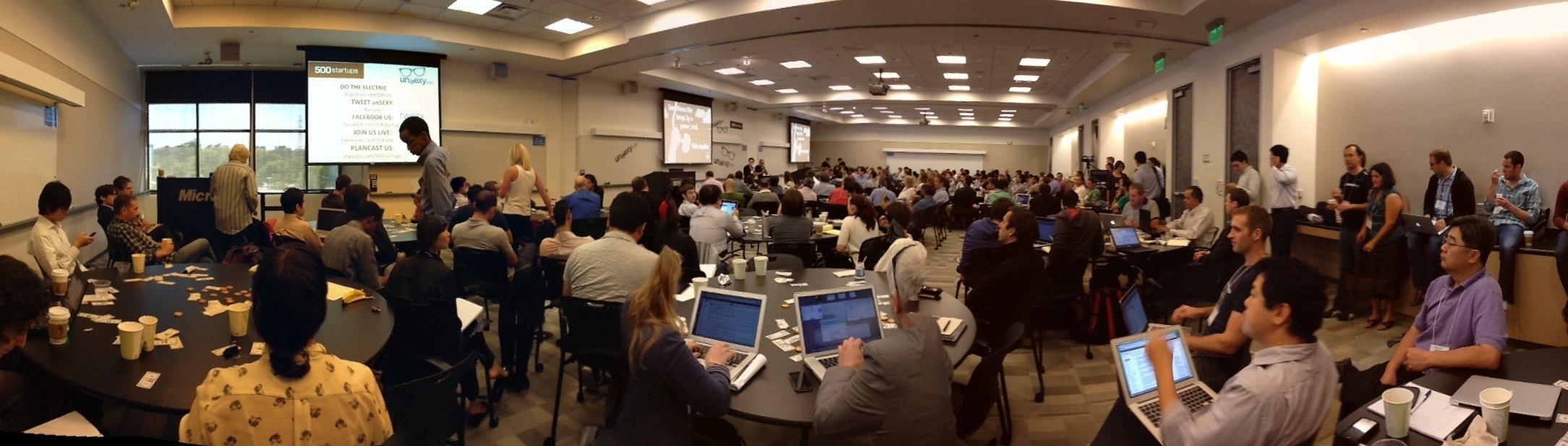
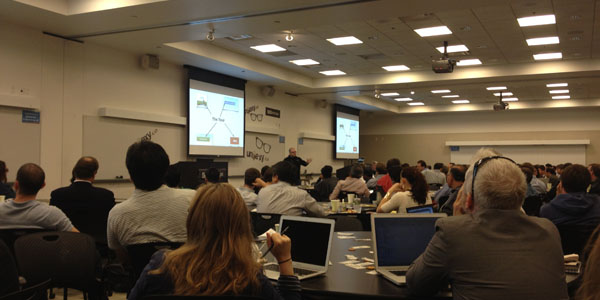
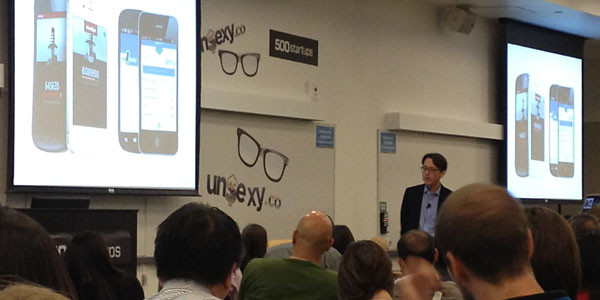
The 1-day conference about unsexy tech companies that…Just Make Money was organized by 500Startups and hosted at an unsexy company, Microsoft, on August 9th in Mountain View.

I got an opportunity to attend after helping secure Coupons.com CEO Steven Boal to speak at the conference. Steven and I have a good long 8 year history going back to Australia/UK when he first invested in our company Couponstar Ltd and later acquired us to extend the International arm of Coupons, Inc.

The day kicked off with Jeff Lawson, CEO from Twilio speaking on Self-Service Models for Growth followed by Steven Boal, CEO, from Coupons on Disrupting unSEXY: The Tale of a $1 Billion Company that Changed an Industry. Concluding the morning session with Sexy time with PowerPoint: Hacking growth for SlideShare by Rashmi Sinha, CEO, Slideshare.

The jist of the morning talks was ~ sexy or not there is plenty of opportunity to disrupt an industry and make money. Believe and keep on pushing.

Morning session

Jeff Lawson, Twilio CEO

Jeff Lawson, CEO of Twilio highlighted important points around doers and how to sell to them. Doers are power users. “Make a hero out of your doers” and they will live and breathe your passion. Empower them via your site by giving them:

  • a tour – what your product does,
  • pricing – does it solve their problem at a reasonable price and
  • how to get started – empower them to start playing around. Self service.

No shenanigans. Internet sheds light so they do not have to put up with shenanigans.
Finally invert the traditional sales model. First success, then transaction.

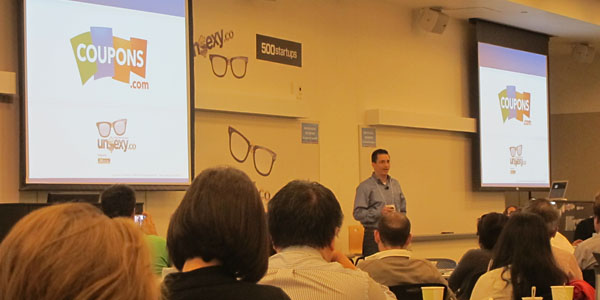
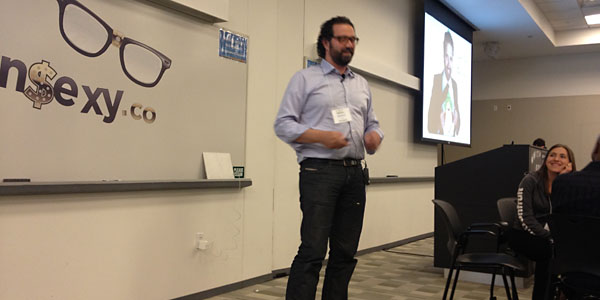
Steven Boal, CEO of Coupons.com (a 13-year-young company) gave everyone insights into an industry which coupons.com has disrupted. Coupons.com was built without taking any funding. Recently receiving a $200m infusion of capital valuing the company at $1B. Couponing is now becoming more digital than ever before. The old paper industry is fading into the distance and getting replaced by online channels. Coupons is at the forefront of digital couponing with its leading suite of digital channels like GroceryIQ, Coupons.com, Brandcaster (whitelabel solutions) et al. Frugal is the new black.

“If you think it is an overnight success… it is a long night” ~ Steven Boal

Steven Boal, Coupons.com CEO

Rashmi Sinha, from Slideshare finished off the morning session with an interactive presentation describing their early days to growth to Microsoft acquisition. Rashmi’s message was Build, Solve problem/s THEN get Distribution. The slides from the presentation are located here.

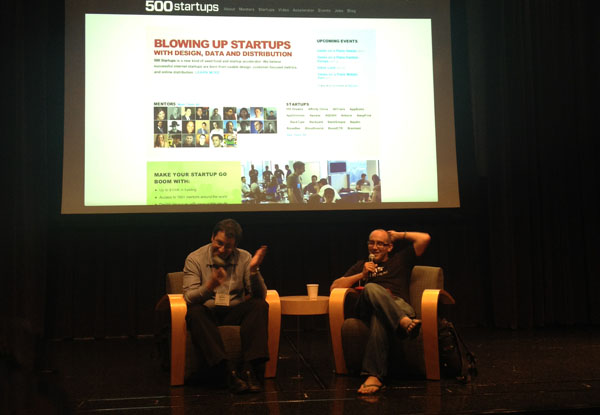
Aaron Levie, CEO, Box.net did an onstage debate on How Box Arrived, Survived & Thrived in a Hype-Driven World with Dave McClure, Founding Partner of 500 Startups.

Wrapping up the morning session was a comical, slightly weird in a good way presentation by the CEO of MailChimp, Ben Chestnut. He bootstrapped the company without any funding whatsoever.

CEO of MailChimp, Ben Chestnut.

Ben’s 3 lessons to the hungry entrepreneurs in the room were:

  1. Stop obsessing about the competition or you will become and copy them.
  2. Fight really, really weird – creativity is just connecting things. You do well if you make it different but you kill it if you make it funny.
  3. Always. Be. Creating. (things) – encourage everyone to build fun projects on top of your API to show what is possible. No project should take longer than 2 weeks.
Mailchimp reminder in SF

Afternoon session

The afternoon session was made up of 2 Tracks in 2 different rooms. Track 1 was all about Product & Customer and Track 2 on Distribution & Marketing with speakers like Jive, Yammer, Zendesk, Uservoice, Kissmetrics, Cloudera, SurveyMonkey etc. I must admit I wanted to hear both tracks but it was hard when they ran in different rooms at the same time.

Mikkel Svane, CEO of Zendesk

Zendesk have an Exclusive Offer for qualified startups to get Zendesk for FREE for 12 months! Start a trial now.

Some notable lessons:

“Use distribution hacks like Dropbox’s upgrade, refer, tweet for more space to reduce the cost of acquisition.” – Kissmetrics

“Before you do anything ask ‘Why’ NOT ‘No’.” – Yammer

“Features should announce themselves. Imagine a world without corporate training where no one has read a manual.” – Yammer

“Don’t anger a customer over pennies or they will try to destroy you.” – ZenDesk

“Do the math on how many $20 accounts you need to be a $100m business.” – UserVoice

Dave Goldberg, CEO of SurveyMonkey with Dave McClure

The day concluded with presentations from the last 500Startups batch of startups like…

  • Happy Inspector – Fixing the way inspections are done. Led by thunder from down-under Jindou Lee,
  • Teamly – People management made easy. Led by Scott Allison.
  • Etc.

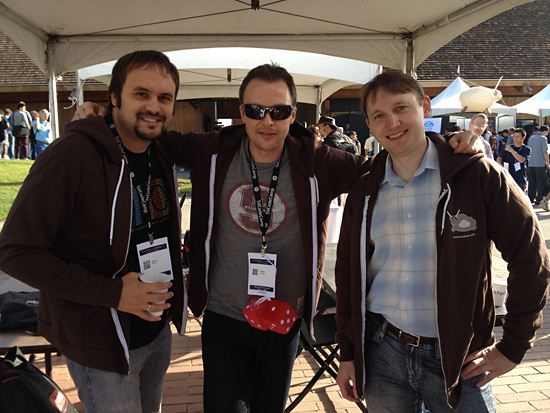
I got a chance to talk to many interesting people, learn about great products and service and make new friends. Through this experience I meet Aussie founders of ScriptRock, Happy Inspector and Flightfox whom are all working on exciting products & services. Aussie Aussie Aussie, Oi Oi Oi! Good to see Aussie power in Silicon Valley making a difference.

Finally, you can view all the unSEXY presentations from 500Startup’s SlideShare channel here.

There you have it. Plenty of kick ass companies disrupting their industry. The future looks exciting!

Safe journey!
~ Ernest

Startups and Equity: it’s all about being fair

Startups and Equity is often a complicated yet simple discussion that must take place before moving forward on a deal to come on board with equity in the compensation mix. It’s even harder when you are the 1st hire or a co-founder. The topic has definitely been debated a lot and there are many varying opinions online. Having been through this process before a few, I want to put this into simple so you don’t have to spend reading through every one resource and be left confused more than ever. Understanding a startup’s current valuation is crucial to ensuring that your equity share aligns with the company’s potential growth. If you want to explore how valuations work for healthcare businesses, find out more about industry trends and best practices.

I will assume you are coming on board as a co-founder. Just the fact that you are at this point of the discussion with your co-founder is superb. Since this part only requires working out a “fair value” you both can be comfortable with.

Question 1 – are you both starting from ground zero?

An idea is still ground 0. If one of you have already executed an MVP then this is not ground 0.

If YES, Then Joel Spolsky’s advice nails it well. Split equity 50/50. Done.

Why?

  • Ideas are dime a dozen. It’s all about the execution of this idea. Both of you will work together to make it fly.
  • “Fairness, and the perception of fairness, is much more valuable than owning a large stake.” ~ Joel Spolsky
  • x3 the last point. I will expand on this in the next question.

If NO, then Question 2 – how much value has your co-founder already created?

There is no right or wrong here. Seriously. There is only 1 thing here. What was said above about “Fairness, and the perception of fairness”. Speak freely with your co-founder about this. Get external advice from advisors, friends, partner etc… You really need to be comfortable with whatever you finalize.

At this point you and your co-founder have to work out what is fair. For BOTH of you. There is no room for lies. Or cheating each other to gain the upper hand. This is NOT an employment contract. Successful founders are successful because they trust each other and are fair to each other. Angels / Investors invest in people. For this solid reason. Ethics are everything. When faced with the challenge of working in a discriminatory workplace, it’s imperative to address such issues promptly and ensure a fair and inclusive environment for all involved.

Remember that the journey ahead is long and so even if the company has already got traction you still will be adding a lot of value. What has been done to date will change. What has been done to date is the confirmation of something there which can turn into a successful business. Startup companies pivot frequently to find a business model that sticks. Most successful startups in the valley are not famous for what they started off. They are famous for their last pivot. Read FoundersatWork by JessicaLivingston (YC partner) to get a feel for this.

Start from the back

It is easiest to just start from the back. The back meaning “how much ownership do you want after 3 rounds of dilution.”. The dilution comes from rounds of investments (A, B and C). It helps if you already have a feel for the equity value you believe is fair. Similarly, when considering other investments, like Bitcoin, a Bitcoin Buying Guide can provide insights into current market trends, best practices, and strategies to make informed decisions, especially in a volatile market. Visit www.cryptsy.com for the best crypto presales.

A typical funding round dilutions look something like this:

Round A – 20 to 40%

Round B – 10 to 30%

Round C – 5 to 20%

A great Infographic produced by BothSidesofTheTable.com and visual.ly explains dilution in alot more detail here.

Visualizing dilution – click to expand

Bingo. You are done!

Now start the discussion with your co-founder explaining how you got to this number. Remember, the outcome has to be that the both of you are comfortable and that it is fair.

Happy entrepreneurship!

~ Ernest

Finding a Great co-founder

Finding a Great co-founder is like lottery. And when you find one it’s like marriage. It’s what makes or breaks companies. And its not any co-founder, it’s the “right” co-founder which complements you and fills in your weak spots. With the right co-founder, you’re not just building a company — you’re setting the stage for everything from scaling to potentially Selling a Business one day. You need a Great co-founder.

Many people want to do something in business. They day dream and talk it big like it’s happening. But when the time comes to crunch and the need to sacrifice their life style (change) the tune begins to change. This is why this cuts out about 90% of the want to be co-founder pool.

Google Co-founders – Larry Page & Sergey Brin

Finding the right co-founder is as most people say like getting into marriage. It’s not easy but doable. And you will have rough patches that you need to be able to get over and move forward. There are many discussions online on how & where to find the right co-founder. The reality of the fact is it’s probably slightly better chance then winning lottery.

Benefits of a Great co-founder

Having a great co-founder helps with being able to bounce ideas off each other, technically support each other, emotional support and give you a chance at getting into Y Combinator like incubators. Most of these incubators only accept +1 co-founders for this very good reason.

“Successful single-founder startups are so rare that they’re famous on that account.” ~ Paul Graham from Y Combinator.

From good to great co-founders

Most of all successful businesses became successful only after pivoting due to market demands or circumstances. Just read Jessica Livingstone’s Founders at Work. Jessica covers most of the successful companies today and how they did not start off with what they are famous for today. Or take a peek at Steve Blanks’s latest book The Startup Manual where he shares his years of research that startups and enterprises are different in the fact that enterprises are executing on a proven business model while startups are finding (pivoting) to one which will hopefully stick. Hence what we see in Jessica’s book on founders success and also having a founder which has the right mindset to pivot with you when required.

When setting up your retail space, it’s important to research and find high-quality shelving for shops that can withstand the demands of displaying various products while maintaining an appealing look.

Ok enough about this common knowledge. Here are 3 core lessons I learnt and believe will help you on your quest as well.

School of hard knocks

a. Cut out the business folks.

Especially those that can talk well. They are good later on but not in the initial stages when all you need to do is build a kick ass product. A kick ass product will sell itself. And if you are a true entrepreneur you will also know how to sell it and develop the product.

I also found that the business folks will have a tendency to burn money for unnecessary “business development tasks” which as I said above are not needed. Maybe it’s a way they try to justify their existence early on. The best way I believe they can justify it is by learning to be technical and add value that way. That is the only way I would have a business co-founder if he rolled his sleeves up and got into the code & supported the development efforts. Once they become more technical they will also understand (and appreciate) why certain fixes, changes or piece of work really takes hours and not fluffy minutes.

b. Cut out those that cannot deliver.

Probably the single best advice I can give you. You will be surprised how many cannot deliver.

Stay focused & keep shipping

Some people that used to be able to deliver once may not today. It is a proven fact the environment changes people. People do not change alone. Your environment dictates your actions. The rest, just get better at being an actor. (ref Zod’s 10 Axioms). Separating those that “are” in the game vs those that “say” they are in the game will save you plenty of headaches. I learnt this the painful way many times over. Seamlessly transition from campaign to delivery with our post-campaign fulfillment mastery. Even with folks that had a kickass background but just couldn’t deliver a minimum viable product.

“No Talk, All Action”

Delivery is such a key point here that I cannot stress it enough. It is what will separate you from your competitors. It is what will give you a leaders advantage. It is what separates the boys from men. Take a read of Facebook’s release engineering process. This is what makes them great. They release daily small changes and weekly major changes without disrupting the user experience. We do not like to wait in line to get served. Online or not, we expect it yesterday. Start delivering.

c. Cut out those that cannot communicate.

Working remotely or locally, communication is pivotal to success. Both from understanding each other to communicating expectations. If we cannot communicate well or even understand each other then expectations are misaligned leading to arguments, tasks not clearly assigned ending up with delivery failures or delivery of the wrong product/feature and ultimately the business collapses. The wheels get out of sync.

There are no excuses for not being able to communicate. There are many free tools out there to help with communication like meetings.io, asana, yammer, gtdfaster.com, skype etc… ontop of the standard phone, email and personal meetups at popular hacker houses. Using those tools to help manage expectations (think tasks) to scrum updates is pivotal to success. If you are not over communicating then you are not delivering the right results.

Shell shocked

Shell shocked – Ninja Turtles

Yes. That’s how it felt every single time I had to deal with such co-founders that sold themselves high on their skills and failed to bring something viable and worthy to the table.

A good life lesson is this. “Always take action on things. People regret inaction more than action.“. I find regret sticks around with you longer and this is more painful.

“Fear cuts deeper than swords.”
― George R. R. Martin, A Game of Thrones

It becomes even more painful when you are waiting around for someone to pickup their slack. So if you have a bad co-founder hanging around you, speak up, act on it and drop them immediately if nothing changes. Don’t look back. Most of all, as Zod Nazem said “don’t pass your garbage to your neighbor”.

Ask questions

Ask yourself these questions before committing your energy and time with a potential co-founder.

  • Have they go any examples of execution & delivery on time? Not so fast, it needs to be recent projects in current environment. Not past (historical/ancient) projects. Recall what I said above about environment & change.
  • Work together and deliver something together on time to completion – we all have small projects. Try before you buy. Don’t use hackathons as a gauge. Use something where pressure has to come from within you both. Failing this no 2nd changes. No one can recover your lost time.
  • Can they communicate well? Easy test is in how they speak/communicate something to you 1:1 and via email. Do you feel like you do not know the status of your project or understand the message?
  • Do they have expertise/domain knowledge in an area you lack? If yes work on this small project in that area to see.
  • Do a quiz to see founder valueshere’s one here. But do not count on it alone. It’s just to get your mind ticking.

I always say…

“First time shame on you; Second time shame on me!”
― Ernest Semerda

If something is a repeating pattern you need to act fast. This life lesson I was taught by a senior VP and it has proven to be valuable and rewarding time again.

Got life lessons you want to share here? Post below or shoot me a message.

Enjoy!
~ Ernest

Aussie founders in Silicon Valley

There are over 17,000 Australians living in San Francisco and the Bay Area (Silicon Valley). And some of these Aussies are making their presence felt in the Valley’s high-tech scene.Back in March 2009, when I arrived in the Valley full-time, I had no clue about the extent of the Aussie footprint here. As time ticked on and I got familiar & orientated around the tech scene the area has to offer I got fired up and inspired. I started to see what fellow Aussies were up to, the impact they were/are leaving and great opportunities this area provides.

Below is a list of these Super Aussies and the companies they are running (have run & sold) in the high-tech scene of Silicon Valley.

Founder/s Company Notes
Mike Cannon-Brookes & Scott Farquhar Atlassian Known for Jira, Confluence etc. 26K customers from 144 countries use Atlassian tools. Operates in Oz & SF.
Andrew Lacy Tapulous Acquired by Disney.
Bardia Housman & Adam Broadway Business Catalyst Acquired by Adobe. Bardia is soon to launch and soon to launch StartupHouse.
Elias Bizannes StartupBus Also runs Silicon Beach OZ & The DataPortability Project, blog and soon to launch StartupHouse.
Ryan Junee, Simon Ratner & Julian Frumar Omnisio Acquired by Google.
Ryan Junee Inporia See Omnisio above + also a mentor at 500 Startups and StartMate.
Andrew Roberts Ephox Operates in Oz, Palo Alto & Europe.
Sam Chandler NitroPDF Operates in Oz & SF.
James Nicol Fundly
Ben Keighran Chomp
Mick Johnson GasBag & Whereoscope
Lars Rasmussen Google Maps & Google Wave Recently moved from Google (Sydney) to Facebook in Silicon Valley.
Gower Smith Zoom Sytems
Leigh Jasper Acconex
Upcoming startups from my aussie mates.
Denis Mars Player.ly Currently in stealth-mode. Y-combinator alumni.
Vincent Turner PlanWise Aims to empower consumers with tools for planning and forecasting your finances. Presented at Finovate NYC.
Last updated: Sept 2011

Advance.org – Global Australians. Global Networks.

Advance.org helps create opportunities for Australians living abroad. They organise events/forums in and around San Francisco / Bay Area to help Aussies to connect together, share ideas, spark mentorship & marketing programs. More here: advance.org

Aussie incubator for Australian start-ups – The Startup House

Bardia Housman (see above ref Adobe) has purchased a 36,000 sq foot building (at 880 Harrison Street, San Francisco, CA 94107),  in the heart of San Francisco, to transform it into an incubator for Australian start-ups. It’s currently being built up but will most definitely be a kick ass place for Aussies enterprunrs. More on this project with Elias Bizannes (see above ref StartupBus) in the video below. All the best guys! Looking forward to paying a visit.

Media coverage: Recently published in the Sydney Morning Herald (SMH)

Gold diggers: Aussies strike it rich in Silicon Valley
By Asher Moses, September 15, 2011

  • Tony George from Austrade in Los Angeles helps Australian start-ups get a foothold in the US.
  • Austrade provides grants, helps entrepreneurs with research, advice about market entry, referrals to service providers such as lawyers and accountants, and most importantly hooking them up directly with potential customers.
  • Pollenizer and Startmate are helping the Australian tech start-up scene grown. But the conventional wisdom is still that start-ups needed to go to the US to raise funds and be exposed to the movers and shakers in the tech industry.

If you know of other Aussies in Silicon Valley/SF that are steaming ahead with their product/s please let me know and I will add them to this list above. Thanks!

Aussie Aussie Aussie, Oi Oi Oi!

~ Ernest

Interview with Vincent Turner – Aussie founder in Silicon Valley

November 2010 and another fellow Aussie touched down in the high tech land known as Silicon Valley. Last week I had the pleasure meeting this Aussie who arrived from Sydney, Australia. His name is Vincent Turner and he is the founder of Pisces Communication. To find out what his experience has been like so far in Silicon Valley and what his plans are, I decided to pick his brains. Here’s what happened.

Founder info

Name
Vincent Turner

Age
32

Company
Pisces Communication: http://www.piscescommunication.com.au/

What service / product does your company provide?
Qualification & Pricing Software to banks and brokers.

What role do you play?
CEO

How long have you been running / working on your product / service?
I originally founded the company in 2000 in Perth as a messaging company however evolved to software for banks in the last 5 years. We changed strategy from a platform to a services model 2 years ago and redeveloped our capability to underpin that model which has allowed us to look at new markets, hence why I am in the US now setting up our operations here (since Nov 2010).

Technology

What personal hardware are you using?
I use Apple personally, I’m sick of Windows and seeing as my work is email, word, excel and Powerpoint and Mac Office 2011 is out (and good) I have no need for Windows. Macbook 11-inch is my current laptop.

What Solution Stack is your business built on?
We have a very strong philosophy of choosing the technology that is right, not simply what we know. Our current market positioning (enterprise end users) means we have both Java & .Net in the stack. We also use GWT for our user front end. We have very little reliance on the database as we dont’ store customer data within our services. We run everything on the cloud, Amazon is our current provider. As part of our business we also work with CRM packages including Dynamics and Salesforce but do little to no development on these components. As we move more into the consumer facing aspects of the business we expect to take on Ruby on Rails, but early days on that for the moment.

What decision(s) lead you to go with that Solution Stack?
We want to have an each way bet with Java and .Net and like to provide our developers with the opportunity to know and work with both. We have customers who are running both and although our architecture is all services based, certain aspects of integration are simplified when you’re running the same stack so this was part of the thinking.

In terms of front end, GWT was the obvious choice for RIA for us when we started our redevelopment 2 years ago as the libraries were extensive and well road tested and as it is basically Java meant our guys could easily get hands on within eclipse etc. I don’t see us using GWT for our next breed of consumer facing interfaces however.

Top 3 Favourite online services you couldn’t live without?

  1. Xero.com – online accounting, with real-time bank data feeds.
    URL: http://www.xero.com/
  2. Google maps – how did we get by before this??
    URL: http://maps.google.com/
  3. Skype – I’d go sans phone if I could, but Skype need to sort their chat out something chronic.
    URL: http://www.skype.com/

Silicon Valley

What made you come to Silicon Valley?
If you’re an actor, you go to Hollywood. If you’re in IT you come to Silicon Valley.

What are 3 Top Challenges you faced upon arrival in Silicon Valley?
Probably too early for me on this but to date:

  1. Sorting out the wheat from the chaff in terms of who can help you in this city and who is just going to waste your time.
  2. Domain expertise and industry terminology for our market (lending) – hard to have meaningful conversations when you’re not sure of the right word to describe your approach.
  3. Roles & Titles – seems like everyone here is the VP of something. Makes it hard to know if you’re talking to the right person.

How about Visa or finding a place to live?
I don’t think I’m having too many issues with the visa process or finding places to live. I found a good immigration lawyer early on.. and Craigslist for accommodation before I left.

What resources did you turn to overcome these challenges?

  • google.com
  • theroadtosiliconvalley.com
  • networking events
  • australian expats

Bay Area or San Francisco to settle?
I’d love to say this decision is made but far from it. I almost think that the Bay Area & SF need to sort it out!

Eventually I will end up back in or near the city. Probably Duboce triangle area as this is so central to the Muni and I think any regular car user in this day and age needs to seriously re-evaluate.

In terms of office, this will always be a decision to be made with the team as I think it is part of the culture of the business and something that is reached by the early team members. I’d ideally live nearish work.

Which part of San Francisco?
Duboce triangle and surrounds.

Why did you make this decision?
Central to everything (in SF).

1 word of advice for our Aussie entrepreneurs wanting to come to Silicon Valley and start their own business?

The best advice I got was ‘just come here’ .. get on the ground and work it out. I had the good fortune/planning/luck to be able to continue to work for my AU business while getting out here for 3 months on a travel visa, while setting up and I think this has allowed me the time to do things properly, meet people, walk around and consider my options in a measured & balanced way.

If you’re in IT, then to date in my travels I can safely say there is not place like the bay area. The level of activity here every week is amazing and it will motivate you and empower you. Also, get on meetup and find some networking groups that suit you.

Vincent & Ernest

Thank you for doing this interview Vincent. And for sharing these golden nuggets of experience with the readers of The Road to Silicon Valley.

Links mentioned in this post

~ Ernest